Advanced therapies for better function.
Our services are designed to improve how your body manages stress at both the structural and neurological level. Each tool plays a specific role inside a personalized plan.

Your body is unique.
Your care should be too.
Every treatment plan starts with how your body is adapting to physical, chemical, and emotional stress. We use HRV testing alongside hands-on chiropractic techniques to identify where communication and function break down, then apply precise, non-invasive care to restore balance and performance.
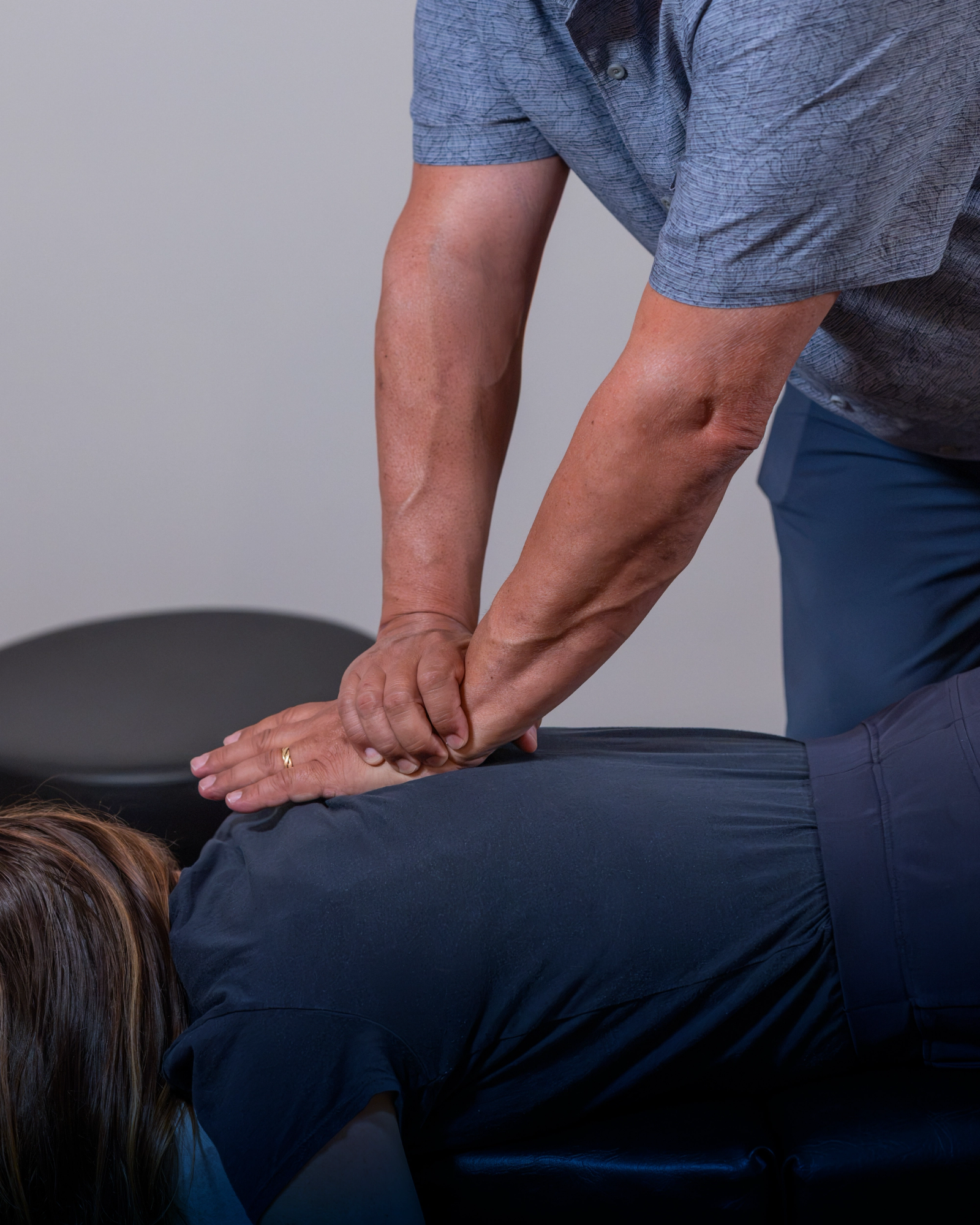
Chiropractic
A neurological approach to whole-body alignment.
Sacro-Occipital Technique (SOT) is a comprehensive chiropractic system that supports the relationship between the brain, spine, and pelvis.
It focuses on restoring proper motion and alignment while improving the flow of cerebrospinal fluid a critical component in how the central nervous system communicates and regulates the body.
By reducing mechanical and neurological stress, SOT helps improve how the body processes and responds to physical, chemical, and emotional stressors. The result is more efficient nervous system function and improved coordination across systems.
Common concerns we treat
- Headaches & migraines
- Muscle tension
- Joint pain
- Nervous system imbalance
- Postural stress
- Cranial dysfunction
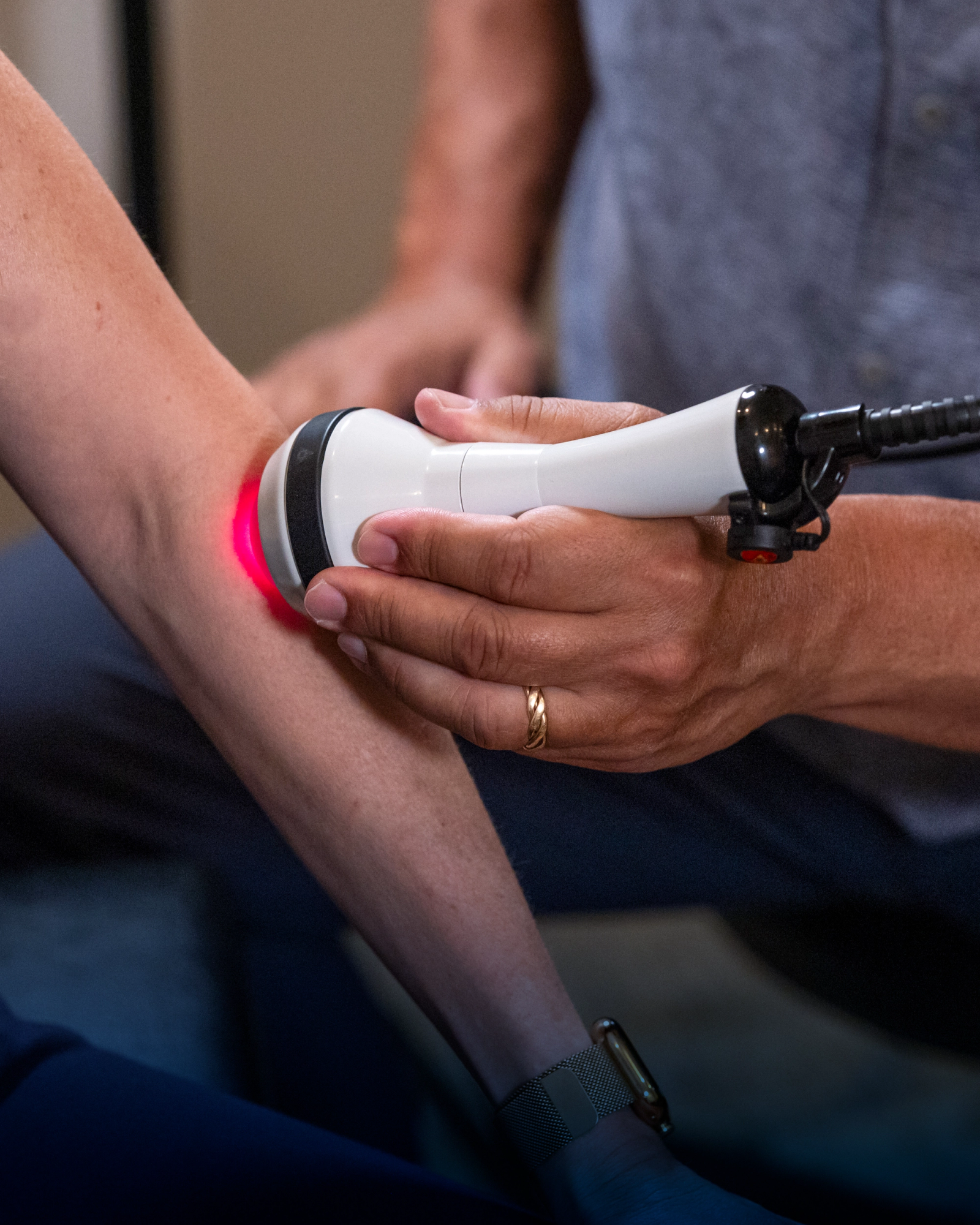
Deep Tissue Laser
Accelerate healing. Reduce inflammation.
Class IV laser therapy uses specific wavelengths of light to penetrate deep into tissue, stimulating mitochondrial activity within cells.
This increases ATP production, enhances cellular repair, and reduces inflammatory markers so that injured tissue to heal more efficiently.
Compared to traditional modalities, this therapy reaches deeper structures and produces faster, more consistent outcomes without medication. It's especially effective for both acute injuries and chronic inflammatory conditions.
Common concerns we treat
- Acute soft-tissue injury
- Tendonitis & bursitis
- Post-surgical recovery
- Chronic inflammation
- Plantar fasciitis
- Sports recovery
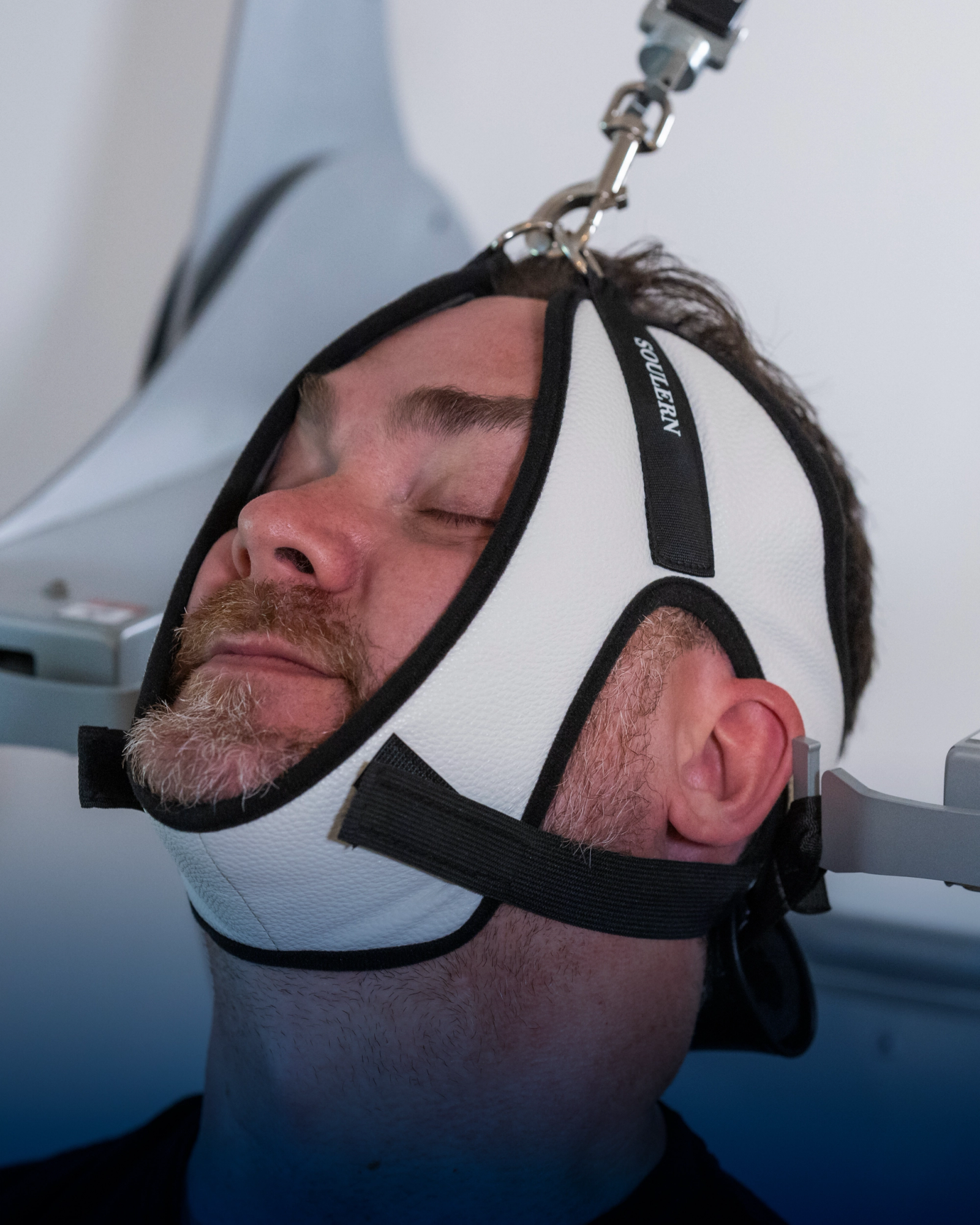
Neck & Low Back Decompression
Relieve pressure. Restore alignment.
Decompression therapy applies controlled, targeted traction to the spine,creating space within the discs and joints.
This negative pressure helps reduce disc bulging, improve nutrient exchange, and relieve nerve compression. Over time, the spine can rehydrate, realign, and function more effectively under load.
It also improves how the body responds to ongoing mechanical stress, making it valuable for both recovery and long-term spinal health.
Common concerns we treat
- Disc bulge & herniation
- Sciatica
- Cervical radiculopathy
- Chronic low-back pain
- Postural compression
- Pre / post-flight stiffness
- Tech Neck
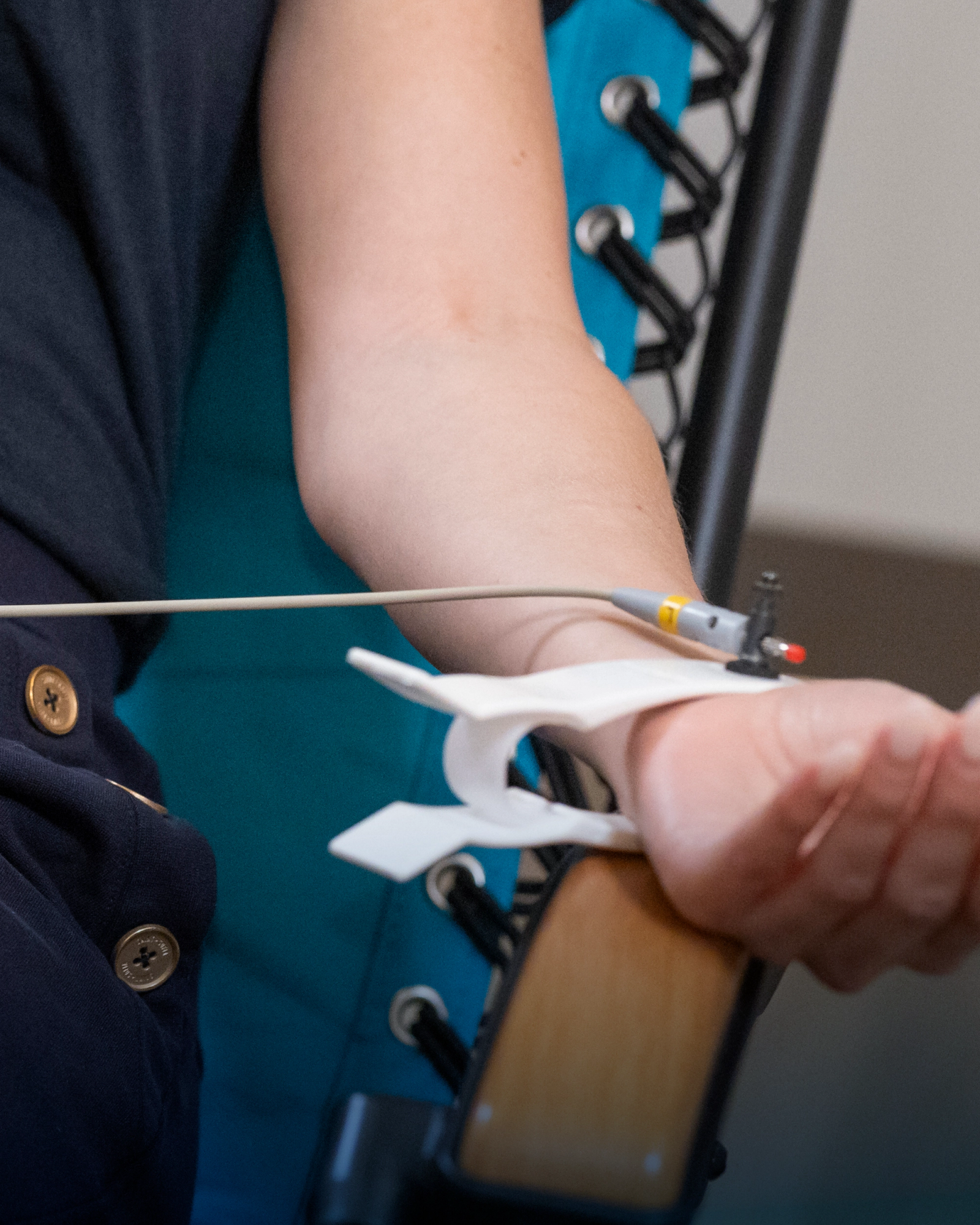
Computerized Neurological Assessment
Measure how your body handles stress.
Heart Rate Variability (HRV) measures the variation between heartbeats, providing a direct window into autonomic nervous system function.
Rather than measuring heart rate alone, HRV reflects how well the body balances sympathetic (stress response) and parasympathetic (recovery) activity.
This allows us to objectively assess how your body is adapting to stress and recovering over time. This real-time data guides care decisions, helps benchmark progress, and optimize performance.
Common concerns we treat
- Stress levels
- Recovery capacity
- Nervous system balance
- Emotional resilience
- Training readiness
- Sleep quality
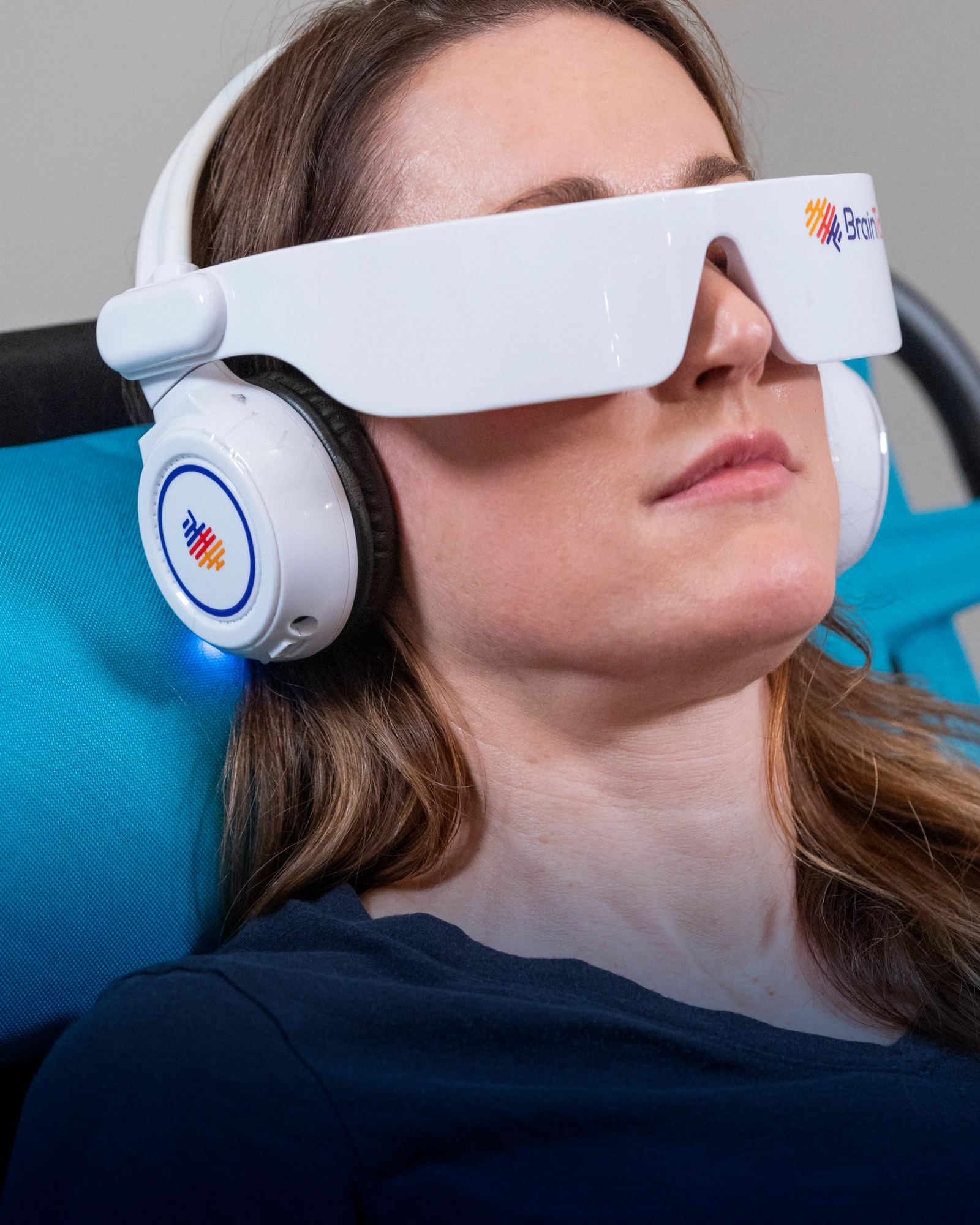
Restorative Neurotherapy
Support the mind–body connection.
BrainTap uses guided audio combined with light stimulation to influence brainwave activity and support nervous system regulation.
By helping the brain shift into a more relaxed, parasympathetic-dominant state, it supports recovery, mental clarity, and stress reduction.
It is often used as a complementary therapy to enhance the body's ability to respond to care and improve overall adaptability.
Common concerns we treat
- Stress reduction
- Mental clarity
- Sleep support
- Mood regulation
- Cognitive recovery
- Pre-treatment regulation
- Developing new neural pathways
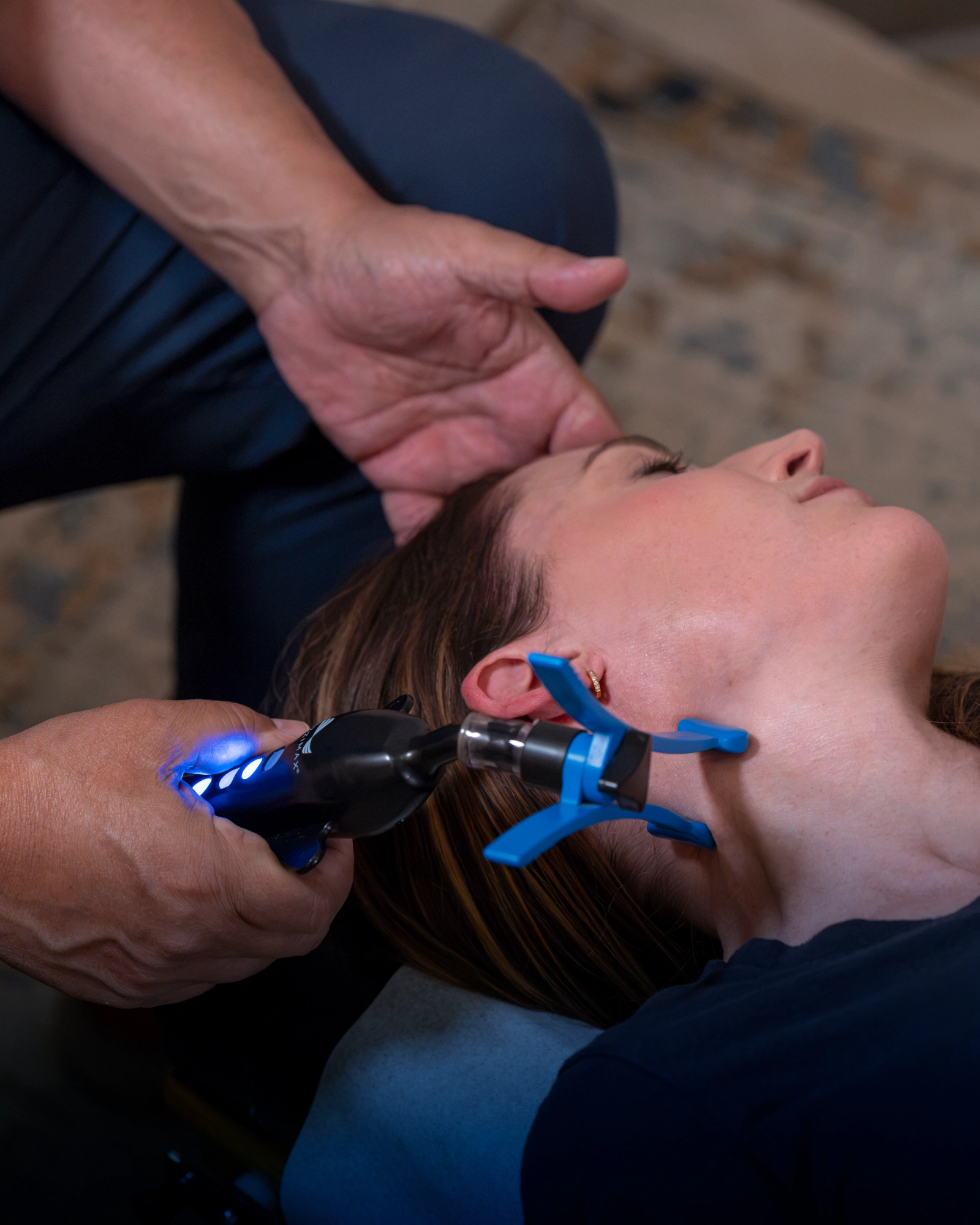
Vagus Nerve Stimulation
Restore Parasympathetic Nervous System
Vagus Nerve Stimulation uses specialized vibration-based therapies to activate the vagus nerve, one of the body's most important pathways for nervous system regulation.
The vagus nerve helps coordinate communication between the brain, heart, digestive system, and other vital functions. When this system is functioning well, the body is better able to shift out of stress mode and into recovery mode.
By encouraging parasympathetic nervous system activity, vibration-based stimulation can help improve resilience, promote relaxation, and support overall well-being.
It is often used alongside chiropractic care and other therapies to enhance recovery, improve adaptability, and support long-term nervous system health.
Common concerns we treat
- Stress overload
- Nervous system dysregulation
- Sleep disturbances
- Recovery support
- Digestive function support
- Mental and emotional resilience